Wellspring Learning Center | Reading & Sound Therapy Experts
  • Home
  • Programs
    • Tomatis Sound Therapy
    • Lindamood-Bell V/V
    • Lindamood-Bell LiPS
    • Fast ForWord >
      • Fast ForWord Programs
      • Fast ForWord is Unique
      • Results - Validated by Scientific Research >
        • Science Fundamentals of Fast Forword
  • About Wellspring Learning
    • Frequently Asked Questions
  • Contact Us
  • Tutoring verses Wellspring Learning Approach
  • Wellspring Learning Blog | Tutoring & Learning Insights

October 02nd, 2025

10/2/2025

0 Comments


5 Practical Ways to Help Your Child with Dyslexia Succeed in Reading

For children with dyslexia, reading can feel like climbing a mountain every day. Parents often see their child trying hard yet struggling with decoding, spelling, and comprehension. The good news? With the right strategies and consistent support, children with dyslexia can become confident, capable readers. At Wellspring Learning Center, we use research-based methods to help students thrive.

​Understanding Dyslexia 

Dyslexia is not a sign of low intelligence—it’s a difference in how the brain processes language. Children with dyslexia may:
  • Struggle to match letters with sounds
  • Read slowly and with effort
  • Confuse similar words or reverse letters
  • Have trouble remembering sight words
Early intervention and specialized instruction make a huge difference.

Our Approach to Reading Support ​

At Wellspring Learning Center, we use programs like Lindamood-Bell LiPS and Visualizing & Verbalizing to build the foundational skills struggling readers need. These methods strengthen:
  • Phonemic awareness (understanding sounds in words)
  • Decoding and spelling skills
  • Word recognition and fluency
  • Reading comprehension and visualization skills
👉 Learn more about our Tutoring and Reading Programs.

5 Practical Ways Parents Can Help at Home

  • Read Aloud Together
    Model fluent reading and build vocabulary.
  • Use Multi-Sensory Practice
    Trace letters in sand or write with colored markers to make learning tactile and fun.
  • Break Tasks into Small Steps
    Short, focused sessions help prevent frustration.
  • Celebrate Small Wins
    Confidence grows when progress, even small, is noticed.
  • Partner with a Specialist
    Consistent, structured instruction accelerates progress.

A Success Story 

​One of our 4th-grade students entered tutoring reading at a 2nd-grade level. Using the LiPS program, she gained confidence in decoding sounds and quickly advanced to grade-level texts. Her parents shared that for the first time, she chose to pick up a chapter book on her own.

​Helping Your Child Grow in Reading

Dyslexia doesn’t have to hold your child back. With the right instruction and support, your child can experience the joy of reading and learning.
✨ Is your child struggling with reading?
👉 Schedule a free consultation today.

0 Comments

A Week in the Life of a Tomatis Child — What Progress Can Look Like

5/21/2025

0 Comments

 
 When parents hear “sound therapy,” they often ask:
“But what does that actually look like for my child?”
Let me walk you through a typical week in the life of a child going through the Tomatis® Method home program at Wellspring Learning—because the transformation is more than just technical. It’s personal, emotional, and full of small, beautiful victories.

🎧 Monday: The Music Begins - The week starts with our headphones on and hearts open. Your child listens to specially filtered classical music designed to gently stimulate the brain and nervous system. Children play with their favorite things—picture books, arts and crafts, or Legos—while they listen.
One child (let’s call her Lily, age 7) was a bit nervous anticipating putting on the headphones. Within 15 minutes, she was quietly coloring. A small moment, yes—but also a sign of emotional regulation beginning to unfold.

🌀 Tuesday: Tuning In - By day two, children often begin to shift. They make more eye contact, ask deeper questions, and become more alert to sound and surroundings. Lily said something curious:
“The music sounds like my dreams!”
This shows her auditory system is engaging in new, meaningful ways—and her brain is beginning to rewire.

🎨 Wednesday: Play, Talk, Connect - The sessions aren’t silent! They can include speech, reading, singing, movement, and sensory play. On Wednesday, Lily sang her ABCs while shaping playdough—two types of stimulation working together. Her mom noticed later that she no longer covered her ears when the TV was too loud.
That’s auditory resilience in action.

💬 Thursday: Blooming Language - By Thursday, expressive language often begins to blossom. Children who once used single words may now form sentences, ask questions, or initiate conversations. Lily told her dad a joke she made up—and explained it. That’s confidence and clarity growing, one word at a time.

🌟 Friday: A New Rhythm - By the end of the week, we often hear:
  • “She’s sleeping better.”
  • “He’s more flexible in transitions.”
  • “She’s calmer in noisy situations.”

💡 Every Child Is Unique - Each Tomatis journey is different. Some changes appear quickly; others unfold with time. But every child we see carries the potential for meaningful growth—and we are honored to be part of that story.
If you think your child might benefit from Tomatis® Sound Therapy, we’d love to talk.
Click Here to Schedule a Consultation
0 Comments

How Sound Prepares the Brain for Learning

5/5/2025

0 Comments


Imagine a child sitting at their desk, eyes on the page, but the words seem to dance and float. No matter how hard they try to focus, something feels out of reach — like trying to catch a butterfly with bare hands.
Often, it’s not a lack of effort or intelligence.
It’s a deeper challenge: the brain hasn’t yet built the auditory pathways that support focus, memory, language, and learning.
​

This is where sound comes in.
At Wellspring Learning Center, we help children strengthen these vital pathways — not by pushing harder on academic content, but by nourishing the brain’s foundation through sound.

🎧 Hearing vs. Listening: What’s the Difference? Most people think hearing and listening are the same.
But they aren’t — and this difference changes everything.
  • Hearing is passive. It happens automatically.

  • Listening is active. It’s how the brain processes, organizes, and responds to what it hears.

A child who struggles to listen may hear the words "Get your backpack" but not fully register or organize the sounds into action. Over time, this can affect attention, comprehension, language skills, and emotional regulation.

🧠 Why Sound Prepares the Brain to LearnSound doesn’t just stimulate the ears — it stimulates the whole brain.
It strengthens the auditory processing system, which supports:
  • Language development

  • Reading fluency

  • Attention and executive function

  • Emotional regulation

  • Memory and comprehension

When these systems work better, learning becomes easier and more joyful

🌸 How the Tomatis® Method Helps. The Tomatis® Method is a listening and sound therapy program based on neuroplasticity — the brain’s amazing ability to adapt and grow.
Through filtered music and voice stimulation, Tomatis therapy gently trains the brain to listen more actively and efficiently.

In a Tomatis session, a child might sit quietly, playing, or moving gently while listening to specially designed sounds. Over time, these listening sessions:
  • Reorganize how the brain processes sound

  • Improve emotional balance and attention span

  • Boost expressive and receptive language skills

Real changes happen from the inside out — no flashcards or drills required.

✨ A Real-Life Story: “Liam’s Breakthrough”.  When I first met Liam, a bright, imaginative eight-year-old, he was struggling with reading, following directions, and managing big emotions at school.
His parents described mornings filled with frustration and afternoons weighed down by homework battles.

After completing two listening loops of Tomatis therapy, Liam’s parents noticed subtle but powerful changes:
  • He could stay on task longer.

  • He followed multi-step instructions without constant reminders.

  • He began reading aloud with more confidence.


Today, Liam enjoys going to school. He knows he can succeed, and so do his parents.


🎯 Could Sound Therapy Help Your Child?If your child struggles with focus, reading, language, or emotional regulation, it’s worth asking:
  • Have we strengthened the foundation yet?

  • Are we addressing how their brain organizes sound and information?

Sometimes, the missing piece isn't more practice — it’s a deeper kind of support.
At Wellspring Learning Center, I work with families to gently  nurture the brain’s natural learning abilities.
Sound is where it all begins
​

👉 If you’re curious whether Tomatis therapy could support your child, I offer a free 20-minute consultation. Let’s talk about what’s possible.
Book Your Free Consult Here
0 Comments

Computer Feedback Can Help Students With ADHD Train Their Brains

7/24/2014

1 Comment

 
Picture
For Release:  February 17, 2014
Neurofeedback, a type of training using a computer program  for children with attention-deficit/hyperactivity disorder (ADHD), can contribute to lasting improvements for these children, according to a study in the March 2014 issue of Pediatrics, “In-School NeurofeedbackTraining for ADHD: Sustained Improvement From a Randomized Control Trial,” published online Feb. 17.  Neurofeedback consists of giving immediate feedback (both heard and seen) to individuals regarding their attention as they practice focusing. Neurofeedback trains users to monitor and change their brainwave patterns in ways that can improve their attention and executive functioning (a set of skills related to learning and academic achievement). The researchers looked at 102 children and compared their attention and executive functioning after two types of computer training: neurofeedback and cognitive training. These students were compared to students who had no computer training for the study. Compared to no computer training, the children using both types of training had better results in certain areas of attention and learning six months later.  The group using neurofeedback showed significant improvements,  in more areas  and to a greater degree than those who received cognitive training. This is the first large randomized controlled trial to evaluate the long-term effectiveness of in-school computer training for ADHD, and the authors identify future research steps to advance this type of brain development. Link to AAP research study.

The American Academy of Pediatrics is an organization of 60,000 primary care pediatricians, pediatric medical subspecialists and pediatric surgical specialists dedicated to the health, safety and well-being of infants, children, adolescents and young adults. For more information, visit www.aap.org. 



1 Comment

Temple Grandin: "Half of Silicon Valley Got Mild Autism"

1/27/2014

0 Comments

 
"Half of Silicon Valley's got mild autism, they just avoid the labels," Grandin said in a phone interview.

Grandin, who inspired an Emmy-award-winning movie, spoke about the strengths of autistic minds this past Friday at the Hyatt Regency Monterey. She discussed how these strengths can be identified, cultivated and turned into career paths. Her mother, Eustacia Cutler, will talk about the stresses of raising an autistic child and the importance of education.
http://www.mercurynews.com/business/ci_24956222/temple-grandin-half-silicon-valleys-got-mild-autism
0 Comments

The Power of Process: What Young Mozart Teaches Us About the Secret of Cultivating Genius

12/14/2013

2 Comments

 
In The Genius in All of Us: New Insights into Genetics, Talent, and IQ (public library), David Shenk presents a rigorously researched blend of historical evidence and scientific data to debunk the myth that genius is a special gift serendipitously bestowed upon the chosen few and shows, instead, that it is the product of consistent, concentrated effort, applied in the direction of one’s natural inclination. http://www.brainpickings.org/index.php/2013/05/28/the-genius-in-all-of-us-mozart-david-shenk/
Picture
2 Comments

Sounds are sound among dyslexics, but access may lag, study finds

12/10/2013

1 Comment

 
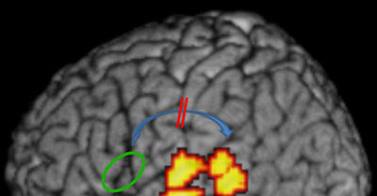
A faulty connection between where the brain stores the auditory building blocks of language and where it processes them may be to blame for dyslexia, a new study suggests.
http://www.latimes.com/science/sciencenow/la-sci-sn-dyslexia-brain-circuits-20131204,0,5176204.story#ixzz2n72CiVu7

Picture
1 Comment

    Archives

    October 2025
    May 2025
    July 2014
    January 2014
    December 2013

    Categories

    All
    ADHD
    Autism
    Neurofeedback
    Wellspring Learning

    Tomatis Method
    Cogmed
    Lindamood-Bell
    Fast ForWord
    Autism
    Dyslexia
    Sensory Processing
    Processing Speed
    ADHD
    Tinnitus
    CAPD


    Wellspring Blog and Resources